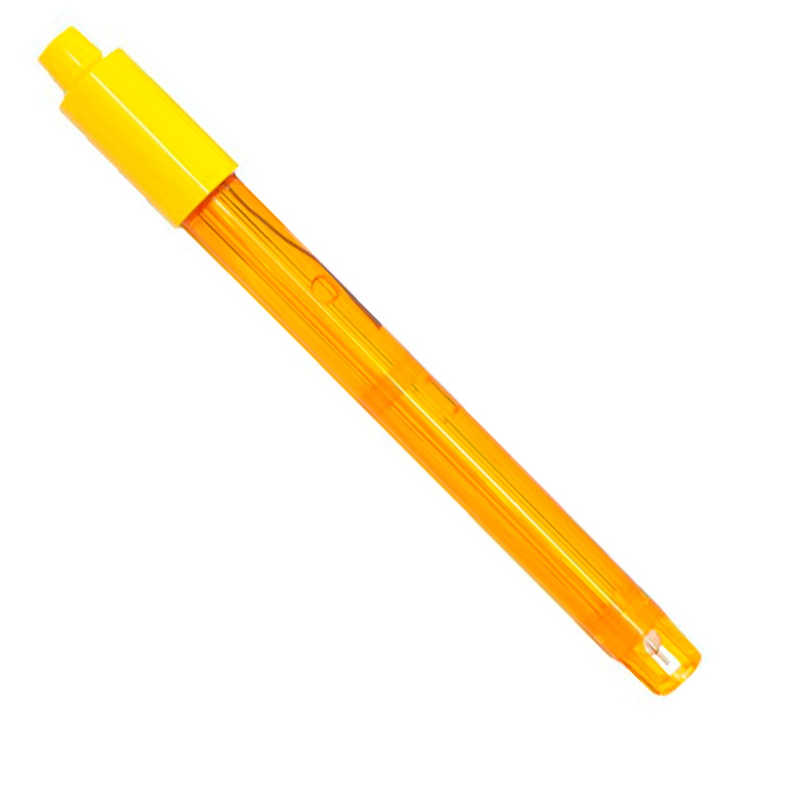
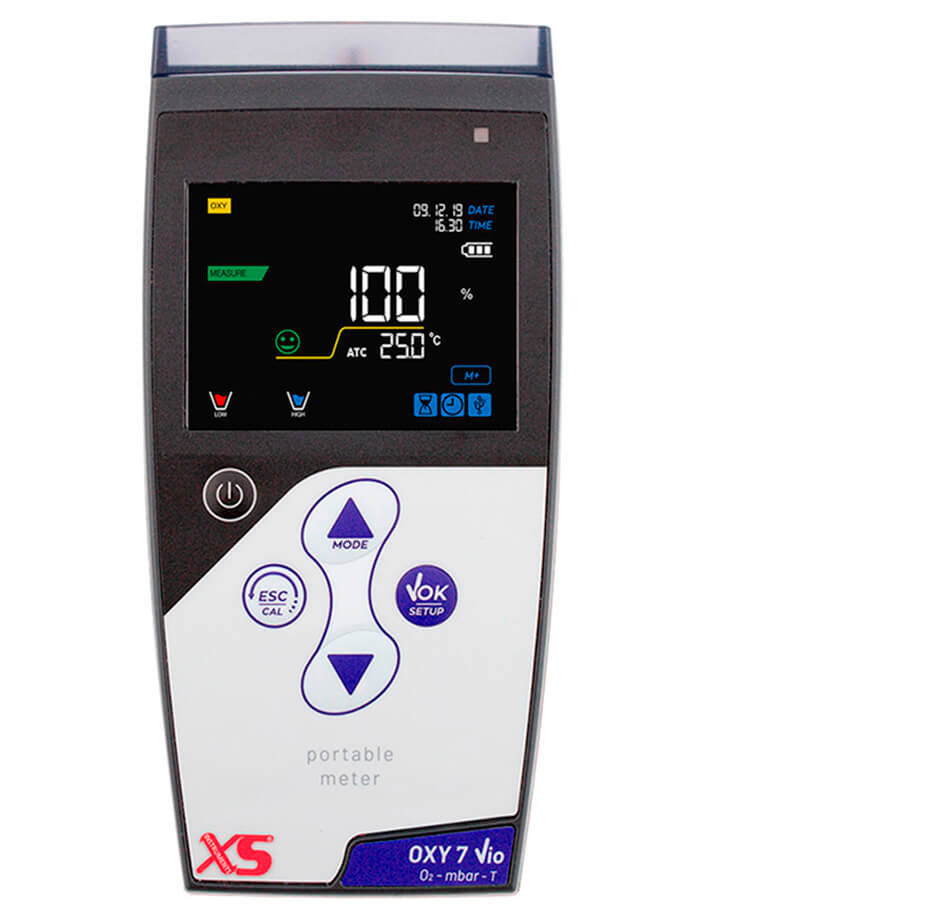
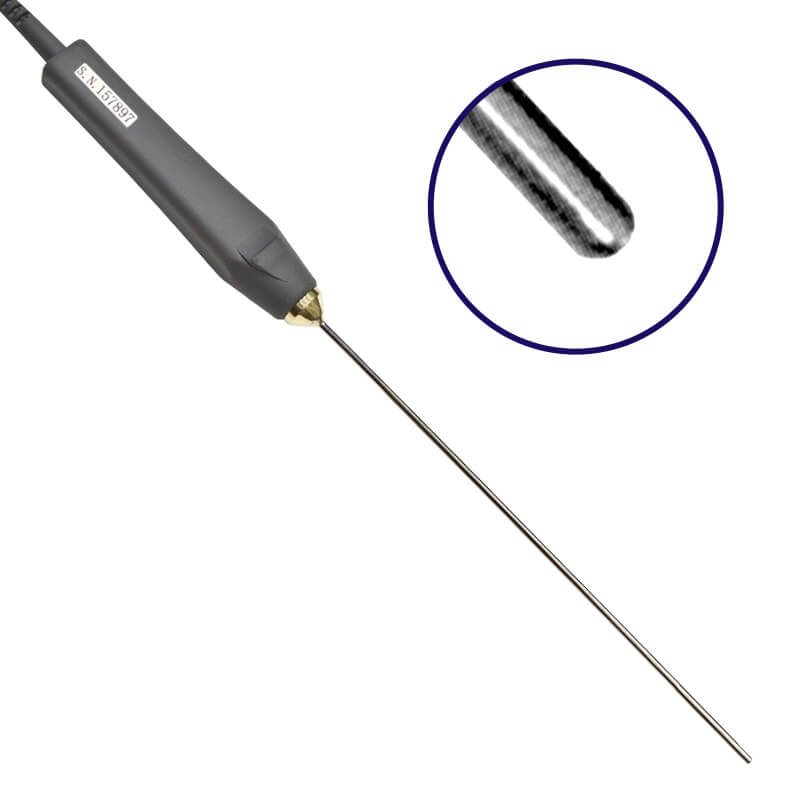
A pH electrode is a sensor with a glass membrane sensitive to H+ ion activity. This activity is converted into a proportional electrical signal. This electrical signal is then converted into pH units using a digital instrument (pH meter).
The electrodes sold by Giorgio Bormac srl are manufactured by a renowned Swiss producer and are synonymous with precision and quality. The electrode line includes a wide range of electrodes suitable for various applications, from the food sector to the chemical industry, from environmental analysis to quality control, suitable for laboratory measurements and complex industrial processes.
Contrary to common belief, there is no universal electrode; rather, there are different electrodes specific to each application. Choosing the appropriate electrode is essential for measurement quality and electrode lifespan. Using an inappropriate electrode can lead to measurement errors and significantly reduce the electrode’s lifespan.
The pH sensor consists of two electrodes, one for measurement and one for reference. The measuring electrode has a glass membrane sensitive to H+ ion activity.
The reference electrode is made with a silver wire coated with silver chloride immersed in a liquid or semi-solid electrolyte.
Technological advancements have enabled the combination of these two electrodes into a single body; a sensor made using this technology is called a monotubular combination electrode. During measurement, the electrode must operate in a vertical position, with the side filling cap open (only for electrodes with a refillable electrolyte), with the membrane and side ceramic diaphragm fully immersed in the sample. After immersion, it is necessary to shake for a few seconds and wait for measurement stability. After completing the measurement, wash the electrode with distilled water, dry with paper without rubbing, and store it in a storage solution. It is important not to store the electrode in distilled water as this makes measurement very slow and irreversibly damages the electrode.
The pH electrode is an active sensor, generating potential, so it loses its efficiency over time. The average lifespan of an electrode is from one to three years at room temperature, while at high temperatures, it drastically decreases. Another factor determining the electrode’s lifespan is the aggressiveness of the sample in which it is immersed. Extreme measurement ranges (pH 0-2 and pH 12-14) reduce the lifespan and efficiency of the measuring membrane.